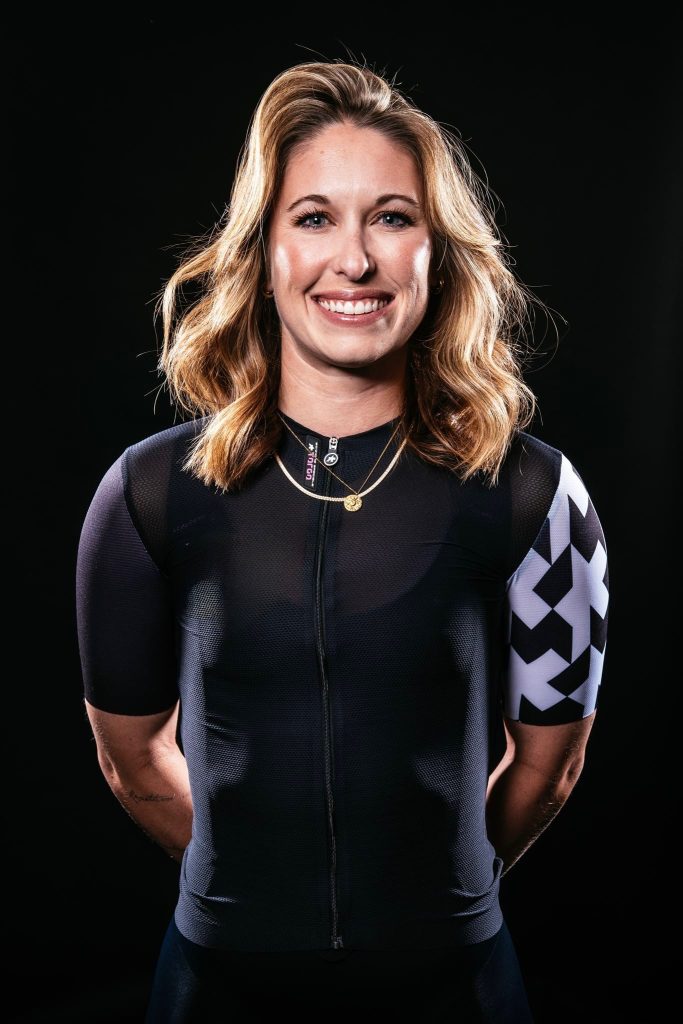
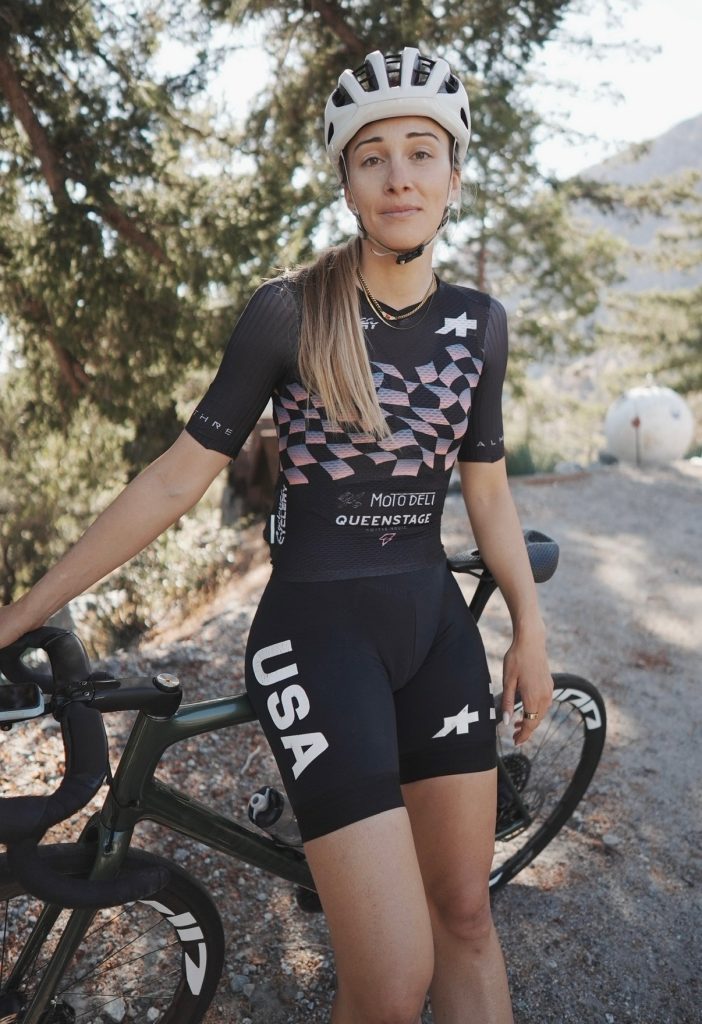
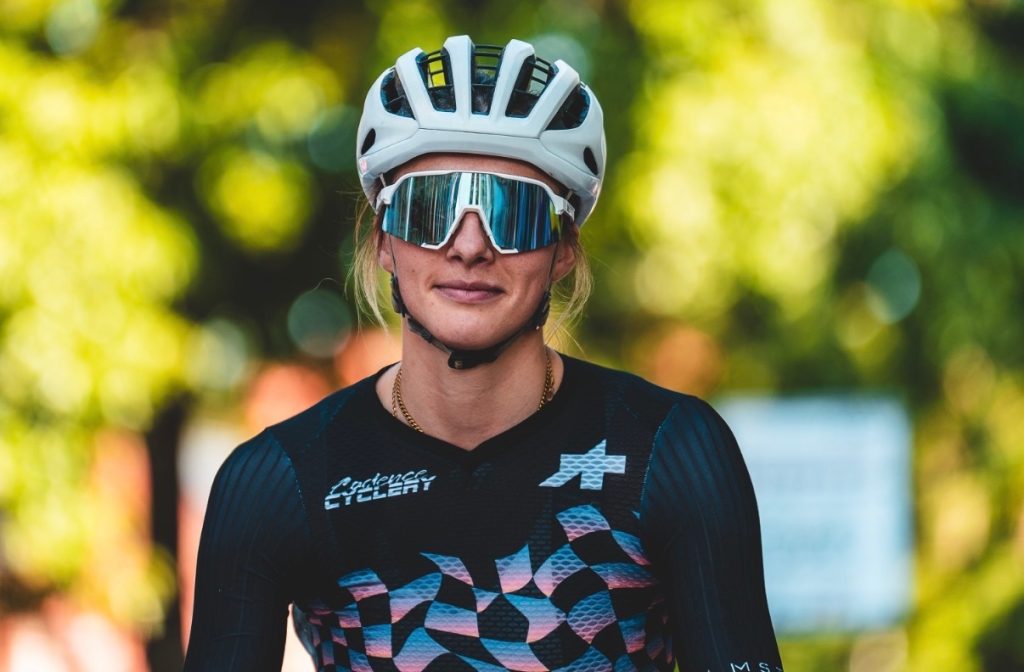
Why We Ride: Kendall Ryan and Laurel Rathbun
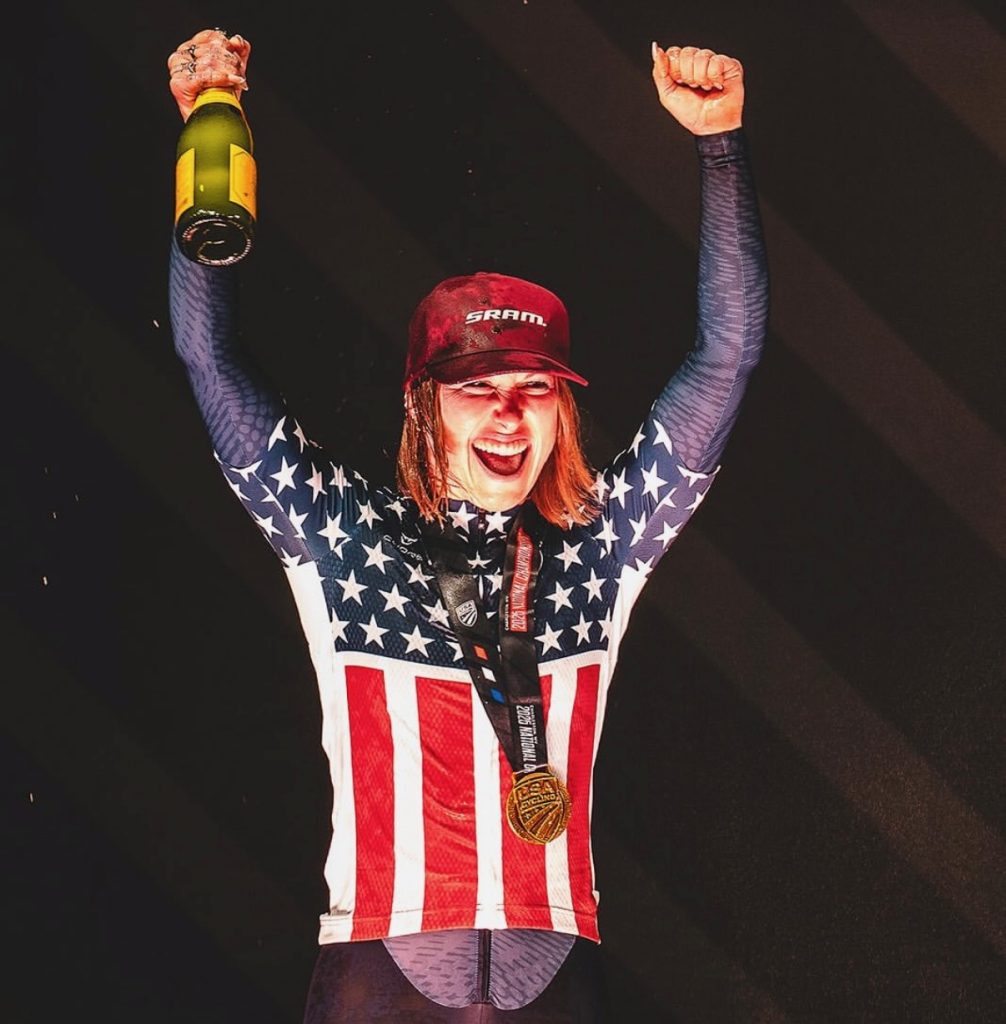
It’s the summer of 2021. After a lifetime on two wheels Kendall Ryan has finally made the Olympic team.
She’s come a long way from the girl who rode a bright pink Specialized to win her first race at just six years old. She was instantly hooked to the feeling of winning, and spent her teen and young adult years chasing the ultimate dream of representing the United States in the Olympics.
Years of training through injuries, setbacks, racing across disciplines, and enduring her fair share of heartbreak have led her to this moment. The highlight of her impressive career is finally within reach.
And then the call comes.
She’s named to the reserve squad.
Close enough to touch the Olympic rings…
Close enough to wear the uniform…
Close enough to train alongside the athletes who will race…
But not close enough to start.
Kendall travels to the Games knowing she is one of the best cyclists in the country — and also knowing that unless something goes wrong for someone else, she will watch the race she trained her entire life to ride.
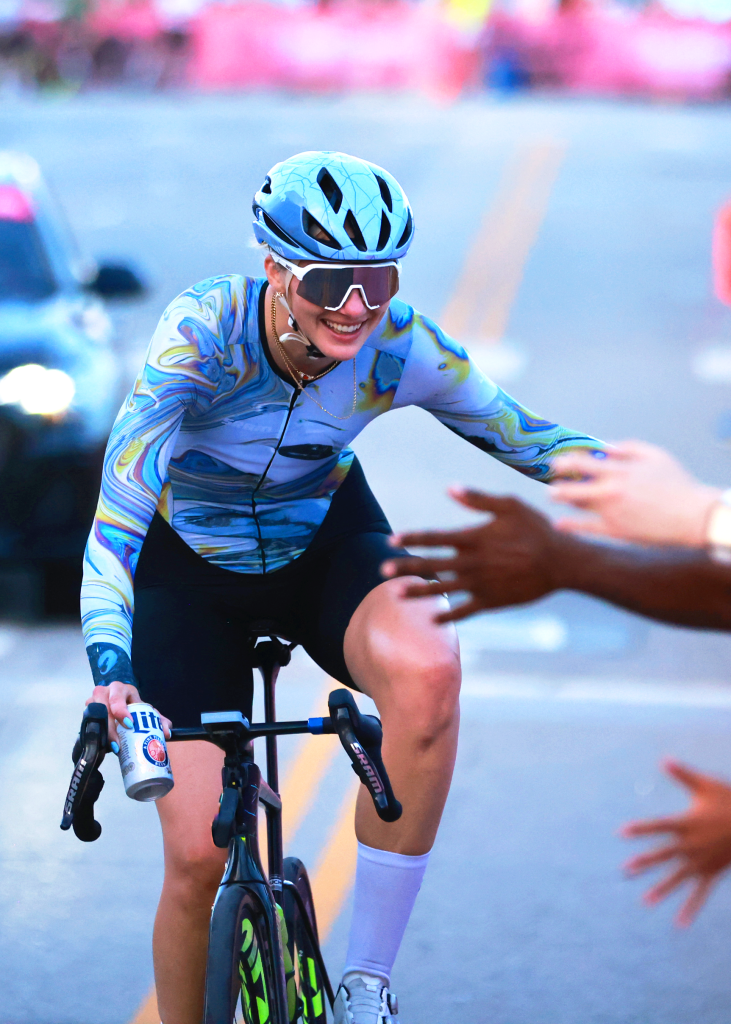
In 2016 Laurel Rathbun is just 20 years old, racing the Tour of Britain. She has already made an international name for herself in cyclocross, with a reputation in France that persists to this day. During the race, everything changes. Laurel crashes into a guardrail, suffering multiple broken bones, a traumatic brain injury — and most shocking of all — she tears two nerves from her spinal cord.
The physical trauma was life-altering.
The mental trauma nearly ends her career.
She makes the sobering choice to step away from the sport she has loved since childhood.
Laurel stays out of racing for five years, eventually finding her way back in 2024, carrying invisible scars and uncertainty about what the future might look like. But after her first race back, something shifts.
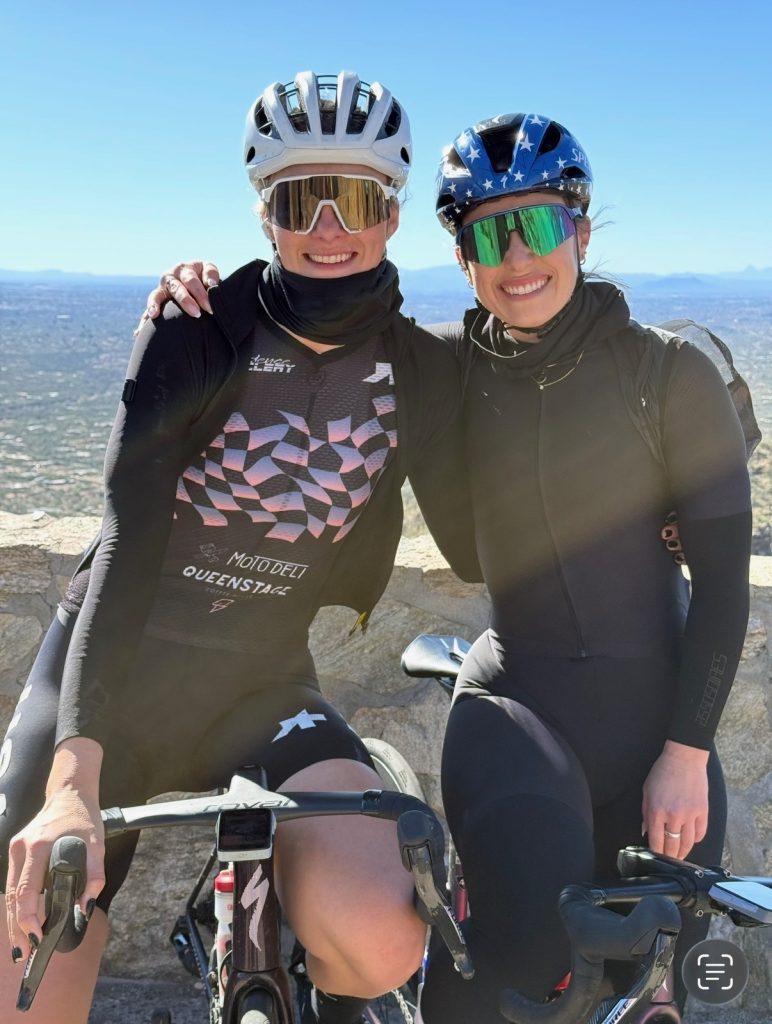
“I feel like I left the sport too young,” Laurel says. “I just needed a second shot at it.”
For Kendall, the Olympic reserve designation is a different kind of wound. Though she has, in her own words, “raced all the bikes,” she is perhaps best known as a criterium specialist. Her explosive sprint, comfort in chaos, and tactical prowess have earned her numerous victories, including four USA Pro Criterium National Championships (and numerous top steps at Chicago Grit).
Being a crit specialist means she’s dealt with numerous serious crashes, with scars from road rash and broken bones to prove it. But the Olympic reserve designation was a different kind of wound. Not physical – but deeply personal. She had reached the biggest stage in sport…only to watch it unfold from the sidelines.
She describes it simply: being there, but not being there.
Two careers shaped by heartbreak. Two riders defined by their grit, and persistence in the sport.
As teammates, they began to recognize how deeply their lives had run in parallel: both born and raised in California, both raised in families that rode and raced bikes, both driven by a desire to build opportunity for other women.
Out of that shared passion came the formation of their team – Caldera Medical x Aurea Racing – a team created to support women chasing big dreams.
For both Kendall and Laurel, the focus is no longer just on their own results, but what their experience will mean for others. With the 2028 Olympics coming to Los Angeles, they know that dream will feel closer than ever for a generation of American women. But these big dreams don’t survive without the right kind of support.
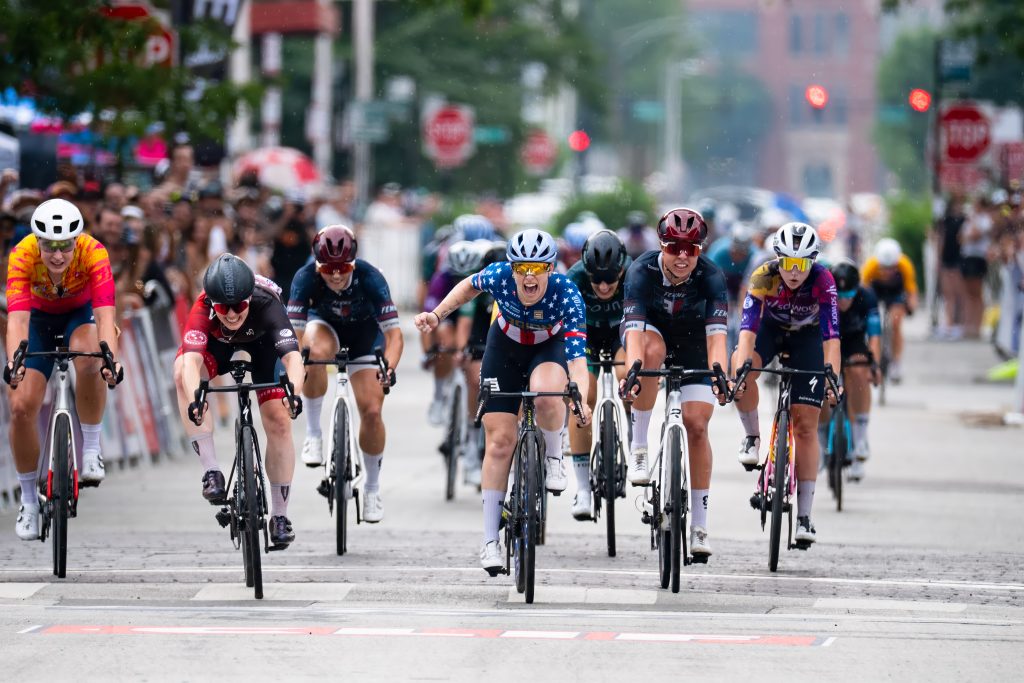
“I went to the Olympics as an alternate,” Kendall says. “And now I want to help someone after me do it better.”
That belief has had a deep impact on how the team was built.
Rather than growing fast, they have chosen to grow intentionally. The roster blends riders in their prime with younger talent, creating a space where elite experience and strong ambition meet. Their goal is to concentrate resources so riders don’t have to juggle multiple jobs just to stay in the sport. This structure allows athletes to pursue the highest levels of racing with stability underneath them.
“For 2026, my goals are deeply collective,” Laurel says. “I want more moments standing on the podium with the girls. I want our team to thrive – not just in results, but in presence. If we can be visible, successful, and unapologetically excellent, then maybe we become proof that there is room for more women to build, to lead, and to dream bigger futures in this sport.”
That vision will be on full display this summer at Chicago Grit.
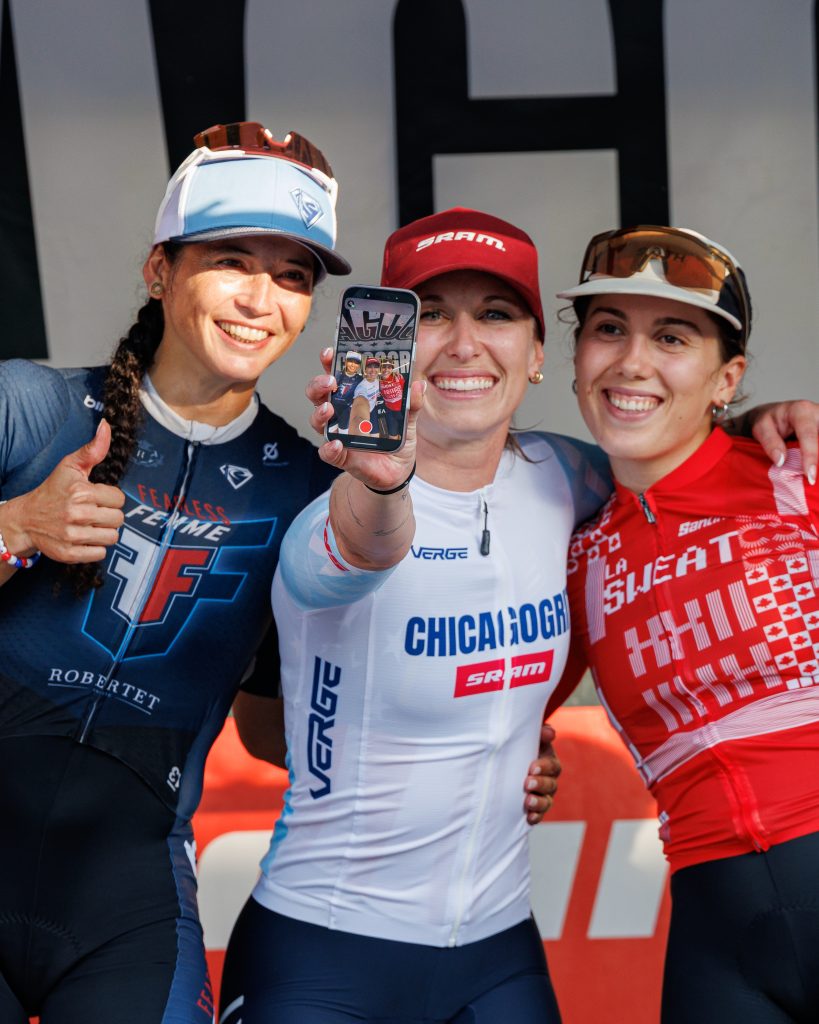
Thanks to SRAM, Aurea Racing returns to Grit in July with big goals – not just to win races, but to show what a female-led team with long-term vision can look like in one of the most demanding criterium series in the country.
Each rider has a different connection to Chicago Grit.
For Kendall, the highlight is the final day in Fulton Market.
“The setting of the race is in downtown Chicago and we race underneath the iconic elevated railway on Lake Street, which makes for a really unique and memorable course,” she says. “There’s always a great crowd and a good DJ on the course. But I’m partial to the long finishing straightaway that passes right by the SRAM headquarters — I love that I’m able to showcase how fast I can go with their support.”
For Laurel, it’s Lake Bluff.
“It demands so much more than just fitness,” Laurel says. “The tight turns, sprints out of every corner, and how hard the race usually is definitely reward skill and finesse just as much as power.”
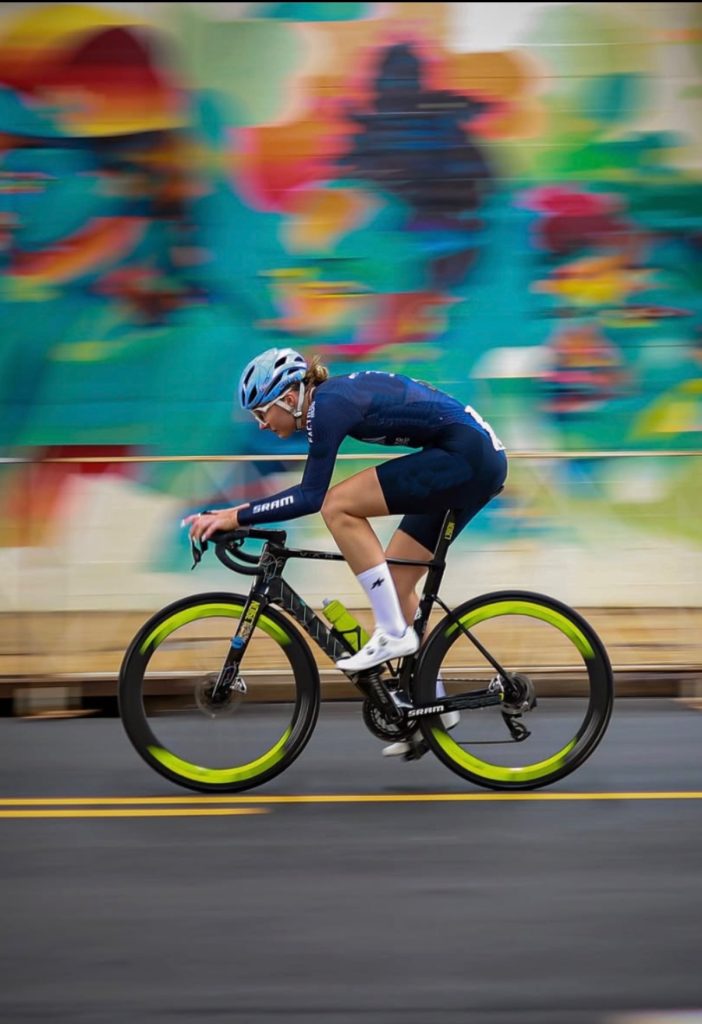
Both will be racing brand new bikes with the SRAM Force AXS, complete with purple Force chains, Hammerhead Karoo head units, and TIME pedals.
“For my training set up I choose 52/39T chainrings, a 10-36T cassette, and 165mm crankarms. For racing I use a 54T 1x chainring, a 10-33T cassette, and 165mm crankarms” says Kendall.
“During training I am noticing how much more I enjoy climbing because I don’t feel like I’m searching for another gear — I can get over anything with that 10-36T cassette. For racing I really like how customizable the drivetrain can be. Gear combination wise, I can run the big girl gears of my dreams and see what kind of sprint I can deliver.”
Laurel’s setup varies only slightly, but what excites her most is how it performs under pressure.
“SRAM AXS shifting has changed how I train and race because of how consistent and intuitive it is under pressure,” she says. “I can shift exactly when I want to whether I’m doing intervals on a training ride or going cross-eyed in a race finish. I also really like the wide customizable gearing that allows me to adapt to the terrain around me. Overall, I think my SRAM AXS drivetrain encourages smoother power delivery, better cadence control, and precise gearing.”
Regardless of setup, both believe criterium racing is essential for riders developing in the sport. It helps you learn safe cornering, confidence riding in a pack, contact riding without fear, etc. But most importantly, it builds community in the sport.
“This is a community sport,” shares Laurel, “Feeling connected makes racing more fun, but it also makes it safer and more sustainable, especially when you’re new. On the women’s side in particular, supporting each other is everything. It’s very important that we adopt a rising tide lifts all boats mentality. That means cheering for one another, sharing knowledge, and showing up to support where we can. This is how the sport grows. And when the sport grows, more opportunities follow for all of us.”